Introduction
Drawing on findings from the Small Appliances Barometer 2026, which compares UK consumer behaviour in 2023 and 2026, several clear themes emerge: the air fryer has become mainstream, energy efficiency now dominates purchase decisions, and younger consumers are driving demand for specialist and aspirational kitchen technology
The Air Fryer is now a kitchen essential
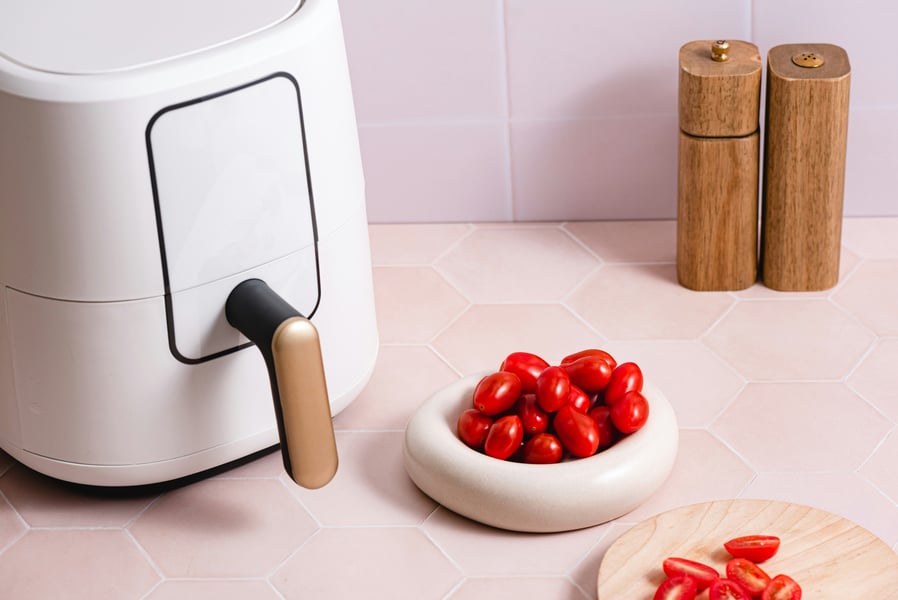
The most striking shift in the UK small appliance market is the rise of the air fryer. Ownership and active use have increased from 44% in 2023 to 60% in 2026, making the air fryer one of the most widely adopted small kitchen appliances in Britain.
Energy Efficiency is the number one purchase driver
For brands, this creates clear opportunities to tap into consumer concerns around the ongoing concerns related to the cost of energy and rising household bills:
- Promote with energy-saving credentials
- Quantify running cost benefits
- Highlight efficiency technologies and low-wattage modes.
- Make energy performance easy to understand at the point of purchase
Under-35s are redefining the market
On f the stongest themes running throughout the research is the growing generational divide in appliance ownership and attitudes. Younger consumers consistently over-index across specialist appliance categories and are significantly more likely to embrace innovation
Compared with consumers aged 55+, adults aged 18–34 are substantially more likely to own:
- Air fryers
- Blenders
- Coffee grinders
- Rice cookers
- Mini ovens
- Pressure cookers and multi-cookers
- Coffee pod machines
Smart Appliances still haven't gone mainstream
Despite years of industry discussion around connected kitchens and smart home ecosystems, adoption remains relatively low.
The research shows that 89% of UK appliance owners say none of their small appliances are connected. This is virtually unchanged from 2023.
- From smart to essential: What connected kitchen consumers really want
- What's holding back the connected home?
- Smart appliances report
All reports are based on proprietary data from Bryter surveys with consumers and contain key advice and guidance for those working in the manufacture and retail of domestic appliances
Why appliances end up gathering dust
Understanding appliance abandonment is often just as valuable as understanding purchase decisions.
The research reveals that the biggest reasons consumers stop using appliances are lifestyle-related rather than product-related. Nearly half (47%) say they no longer need the product because their lifestyle has changed, while 25% cite lack of space and 19% point to cleaning or maintenance challenges
What's Next? The emerging opportunity areas
While air fryers dominate today's market, the next wave of growth may emerge from different categories. Among consumers considering future purchases, interest is particularly strong in:
- Bread makers
- Food thermometers
- Stand mixers
- Milk frothers
- Moka pots
- Yoghurt makers
What this means for domestic appliance brands
The UK small appliance market is no longer driven by novelty alone. Consumers are becoming more selective, more practical and increasingly focused on value.
The key success factors emerging from Bryter's latest research are clear:
- Prioritise energy efficiency as a core product and communication strategy.
- Treat under-35s as the leading audience for innovation.
- Focus on functionality and real-life benefits rather than connectivity alone.
- Design products that minimise clutter and maximise versatility.
- Identify emerging categories linked to healthy lifestyles and scratch cooking
Get the full report and learn more
Access the full report covering a broad range of topics including ownership of smart appliances, reasons for ownership, key features, barriers to ownership, view of smart appliances and key consumer concerns
Report is based on a survey of 911 UK consumers. Report includes key demographic splits and data cuts. Access and download the full report here
Want to learn more about how market research and insights can be used by domestic appliance manufacturers? Read our article on domestic appliance research